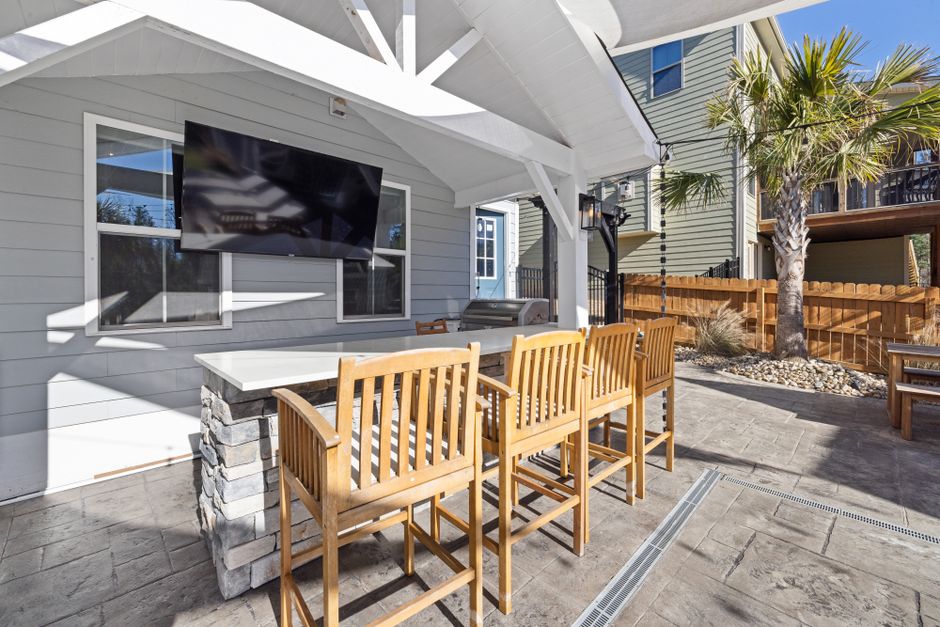
Riverside fall is the best time to use your backyard — lower temps, clearer skies, and long evenings. Skip proper preparation now and you could be repairing a sagging cover or replacing faded panels next spring.
Quick seasonal checklist
- Inspect attachments and ledger: Check for loose fasteners, rusted bolts, or gaps where the cover meets the house. A pulled ledger can let water into the wall framing. (Pro: hire a contractor if you see movement; DIY: tighten visible bolts and touch up caulk.)
- Verify slope and drainage: Confirm the cover and roof slope shed water at least 1/4 inch per foot away from the house and that downspouts discharge 4–6 feet away. Poor slope leads to standing water and rot. (Pro: contractor for regrading or flashing; DIY: clear gutters and test with a hose.)
- Check posts and footings: Look for cracked concrete, rotted wood at the post base, or loose brackets. In Riverside's seasonal rains, undermined footings are common. (Pro: replace undersized posts and re-pour footings; DIY: check for wobble and measure post embedment depth—should be at least 12 inches into compacted base for small covers.)
- Choose durable cover materials: Aluminum with an architectural-grade finish or heavy-gauge steel for structure, and polycarbonate or insulated panels for roofing. Thinner, cheap panels tend to yellow and sag in Inland Empire sun. (Pro: contractor helps specify materials; DIY: choose 0.08"+ polycarbonate or metal panels rated for local UV exposure.)
- Assess finish and fasteners: Look for chalking paint, corroded screws, and mismatched hardware. Use 300-series stainless or coated fasteners near irrigation. (DIY: replace visible fasteners with corrosion-resistant types; Pro: contractor for full re-screw and finish work.)
- Plan for lighting and electrical safety: Verify outdoor fixtures are GFCI-protected and rated for wet locations. If you want integrated lighting or heaters, plan conduit runs now before covering ceilings. (Pro: licensed electrician for new circuits; DIY: test GFCI outlets and replace failed units.)
Materials and design choices that last in Riverside
Pick materials made for sun and seasonal heat cycles. In Riverside summers and cool, dry falls, thermal expansion matters. Aluminum patio covers with 1.25–1.75-inch structural members and a 0.07–0.09-inch wall thickness resist warping. Powder-coat finishes with a 70–100 micron thickness hold color longer than builder-grade paints. For roofing, choose polycarbonate panels of 0.08"–0.16" or insulated metal panels with an R-value appropriate for your comfort—this affects afternoon heat and noise from rain.
Budget ranges and what changes cost
National typical ranges for new patio covers in Riverside area:
- Basic aluminum patio cover (attached, no electrical): $3,000–$8,000, depending on span and finish.
- Upgraded aluminum with insulated roofing or thicker framing, lighting, and ceiling finish: $8,000–$18,000.
- Custom wood or composite pergola with integrated decking or lighting: $10,000–$30,000.
Main cost drivers are span and load (longer spans need bigger beams or posts), whether you add electrical or HVAC, permit requirements, and finish level (paint, recessed lighting, soffit). Structural changes such as adding footings or moving an attachment point to a header rather than a fascia often add $1,500–$6,000 depending on access and excavation.
Permits, timeline, and hiring checks
Most permanent covers require a building permit and at least one inspection—plan for 2–6 weeks for permit processing in Riverside, plus 1–3 weeks for construction depending on scope. If the job requires new footings, expect the inspector to sign off on excavation and concrete prior to framing.
When hiring, verify the contractor's CSLB number (ours is CSLB 910999), ask for proof of insurance, a written scope, and a payment schedule that ties final payment to municipal final inspection. Warning signs: large upfront deposits over 30%, contractors who avoid permits, or no written contract. If you want a walkthrough of what to expect during a larger project such as an addition or covered patio built from the ground up, read our project process overview at What to Expect During a Home Addition Project From Start to Finish.
What to do first
If you do nothing else today: inspect the ledger and attachments where the cover ties to your house. A visible gap, loose bolts, or water staining behind the ledger are signs to stop using the cover for heavy loads and call a qualified contractor. If the ledger looks solid, tighten loose hardware, clear gutters, and schedule a professional inspection before you add lights, heaters, or heavy fixtures.
For homeowners ready to plan a replacement or upgrade, see our patio cover options at Custom Patio Covers in Riverside, CA. Project managers are available weekdays 8 am–5 pm; we answer weekend calls as needed.